
When More Pills Become the Norm
As we get older, it’s easy to assume that needing more and more medications is simply part of the deal. Many seniors take four or five prescriptions every single day, and for a lot of people, that number slowly climbs over time. One pill leads to another pill to manage the side effects of the first one, and before long it can feel like your health is something happening to you instead of something you’re actively participating in.
But here’s the truth we don’t hear often enough: needing more medication isn’t the only path forward. And it certainly isn’t the definition of aging.
Aging optimally is about understanding what’s happening in your body and supporting it in ways that help you feel stronger, clearer, and more capable — not just covered up by symptom‑management. (Watch my video here!)
What's Really Going on Beneath the Symptoms?
One pattern that shows up again and again in research is how many age‑related challenges connect back to how the body handles blood sugar over time. When that system gets overwhelmed, it can create a ripple effect that touches energy, inflammation, sleep, cravings, mood, and overall resilience. It’s not that blood sugar is the only factor in aging — far from it — but it’s one of the most influential systems in the body, and it affects far more than most people realize.
Your Body is More Adaptable Than You Think!
The encouraging part is that the body is incredibly adaptive. Even later in life, it responds to support. It responds to consistency. It responds to small, doable changes.
I Was There!
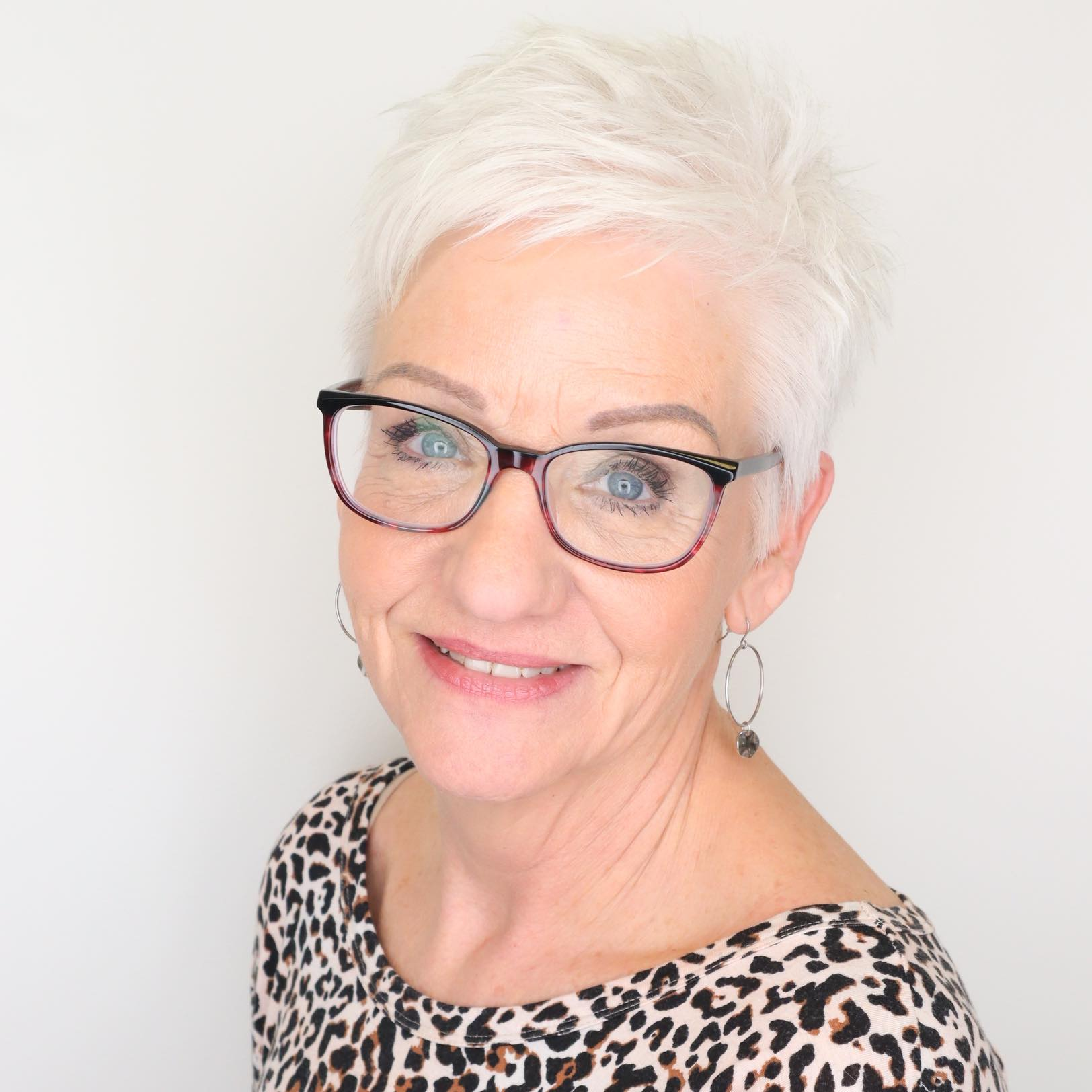
And I’m not speaking in theory — I’ve lived this myself.
There was a time when I felt like my health was slipping out of my hands. I was taking medications I never expected to need, and every new symptom seemed to come with a new prescription. It felt like I was patching holes in a boat that kept springing leaks. I didn’t feel like myself, and I didn’t feel hopeful.
But when I started supporting my body differently — with simple, sustainable habits and the Feel Great System — things began to shift. Not overnight, not magically, and not without effort. But slowly, steadily, I felt better. My energy improved. My clarity returned. My body responded. And under the guidance of my healthcare team, I was able to reduce my reliance on certain medications because my body was functioning more smoothly.
That experience changed everything for me. It showed me that aging optimally isn’t about perfection or extremes. It’s about giving your body what it needs so it can do what it’s designed to do.
What Aging Optimally Actually Looks Like:
- choosing foods that support steady energy
- moving your body in ways that feel good
- prioritizing sleep and recovery
- managing stress in realistic, compassionate ways
- building tiny habits that stack up over time
- staying curious about your health instead of resigned to it
It’s not about chasing youth. It’s about supporting vitality.
It’s about recognizing that your body is not the enemy — it’s your partner. And even if you’ve spent years feeling frustrated or discouraged, it’s never too late to make changes that help you feel better.
You're Not Stuck Under Pill Mountain
Medication absolutely has its place, and for many people it’s essential. But it doesn’t have to be the only tool in the toolbox. When you support your body with consistent, simple habits, you create space for better health — and sometimes, under proper medical guidance, that can mean fewer prescriptions and more freedom.
Aging optimally is possible. Not because life becomes easier, but because you become more supported.
Thank you for joining us for Wellness in the World. See you Friday for Feel Great Friday.