
Let's Talk Options!
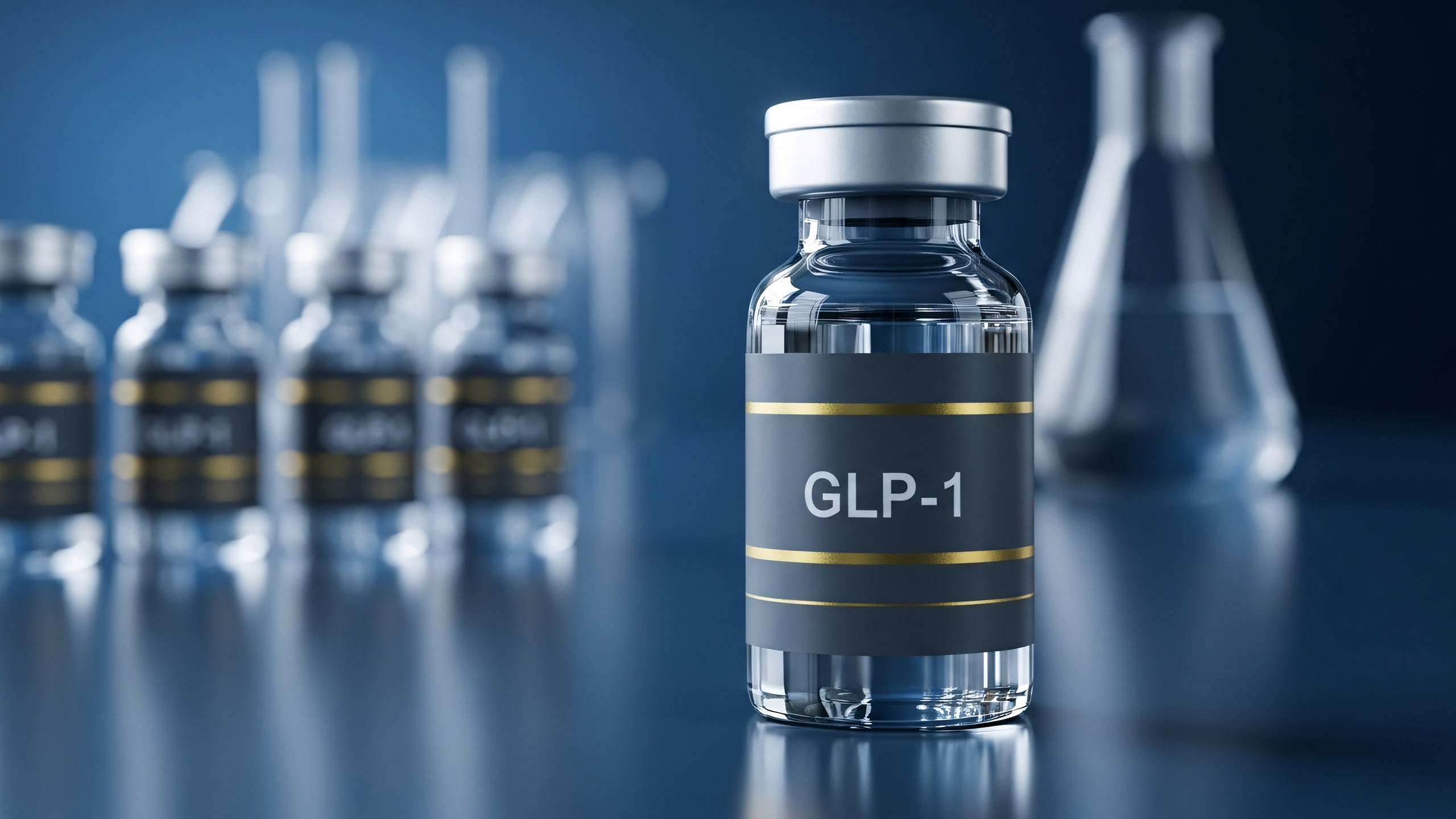
Over the past few years, GLP‑1 medications have become household names. They’ve helped many people lose weight, stabilize appetite, and feel more in control around food. And for some, they’ve been a lifeline during a season when nothing else seemed to work.
But now a new question is emerging — one you may be asking yourself:
“Do I really want to stay on this forever?”
It’s an important question. And it deserves an honest, grounded conversation about what these medications do, what they don’t do, and what options exist if you’re thinking about transitioning off.
Let’s break it down with clarity and compassion.
What GLP‑1 Medications Actually Do
GLP‑1 medications mimic a hormone your body naturally produces after you eat. This hormone helps regulate appetite, slow digestion, and support blood‑sugar control. When you take a GLP‑1 medication, you may experience:
- Reduced appetite
- Feeling full faster
- Fewer cravings
- Slower digestion
- More stable blood sugar
These effects can make it easier to eat less and lose weight — especially if you’ve struggled with hunger, cravings, or insulin resistance.
But here’s the part most people don’t hear:
GLP‑1 medications don’t retrain your metabolism. They manage it but not without real health risks.
And that distinction matters.
What Are Some GLP-1 Side Effects?
Digestive Issues
These are the most frequent:
- Nausea
- Vomiting
- Diarrhea
- Constipation
- Bloating
- Stomach pain
- Feeling overly full after small meals
Because GLP‑1s slow digestion, some people feel like food “sits” in their stomach longer than normal.
Reduced Appetite to the Point of Under‑Eating: Some people find their appetite becomes too low, making it difficult to eat enough protein, nutrients, or calories. Over time, this can affect energy, muscle mass, and overall metabolic health.
Blood‑Sugar Lows (in some cases): Especially for people also taking other diabetes medications, GLP‑1s can contribute to dips in blood sugar.
Gallbladder Issues: Rapid weight loss — from any cause — can increase the risk of:
- Gallstones
- Gallbladder inflammation
This isn’t unique to GLP‑1s, but it’s something providers monitor.
Pancreas Concerns: Some people report:
- Pancreatitis (inflammation of the pancreas)
- Abdominal pain that radiates to the back
This is rare but serious, which is why any severe abdominal pain should be evaluated by a medical professional.
Muscle Loss: When weight drops quickly, the body may lose muscle along with fat. This can affect metabolism, strength, and long‑term weight maintenance.
Fatigue and Low Energy: Some people feel drained or foggy, especially if they’re unintentionally under‑eating.
Mood Changes: A smaller group reports:
- Irritability
- Low mood
- Emotional blunting
This may be related to blood‑sugar fluctuations or reduced nutrient intake.
Nutrient Gaps: If appetite is very low, it can be harder to get:
- Protein
- Fiber
- Essential vitamins and minerals
Over time, this can affect energy, digestion, and overall health.
What Happens When You Stop Taking Them?
Because GLP‑1 medications mimic a hormone rather than teaching your body to produce or regulate it differently, the effects usually fade once the medication stops.
Many people experience:
- A return of appetite
- Increased cravings
- Faster digestion
- Blood‑sugar swings
- Weight regain
Not because they “failed,” but because the medication was doing the regulating for them.
This is why many providers recommend staying on GLP‑1 medications long‑term — sometimes indefinitely. And for some people, that’s the right choice.
But for others, the idea of relying on a medication forever feels heavy. Especially when you consider the cost.
The Reality: GLP‑1 Medications Are Expensive
Even with insurance, many people pay hundreds of dollars a month. Without insurance, the cost can climb into the thousands.
And because these medications don’t permanently retrain your metabolism, staying on them long‑term often becomes the expectation.
If you’re thinking:
“There has to be another way…” You’re not alone.
And that’s where a sustainable, habit‑based approach becomes powerful.
Enter the Feel Great System: A Different Kind of Support
The Feel Great System isn’t a magic shot. It’s not a quick fix. And it’s not something you have to rely on forever.
It’s a simple, two‑part system designed to support the very things your metabolism needs to function well on its own:
- Healthy blood‑sugar balance
- Reduced cravings
- Longer periods of satiety
- Steadier energy throughout the day
Instead of overriding your appetite, it helps your body find its natural rhythm again.
Instead of forcing your metabolism into a pattern, it supports the habits that help it work the way it was designed to.
And instead of requiring needles or high price tags, it’s a sustainable approach you can use long‑term — or taper as your habits strengthen.
Why This Matters If You’re Coming Off GLP‑1 Medications
When people stop GLP‑1 medications, the biggest challenges are:
- Hunger returning
- Cravings increasing
- Blood sugar becoming unstable
- Feeling out of control around food
The Feel Great System helps support the very areas that tend to feel shaky during that transition.
By stabilizing blood sugar and helping you feel full for hours, it creates a smoother landing — one that feels doable instead of overwhelming.
You’re not fighting your biology. You’re supporting it.
And that’s real freedom.
A Sustainable Path Forward
If you’re thinking about stepping away from GLP‑1 medications, you deserve a plan that feels supportive, not scary. You deserve tools that help you feel steady, not dependent. And you deserve an approach that works with your body, not against it.
The Feel Great System offers a way to rebuild trust with your metabolism — gently, intentionally, and sustainably.
It’s not about perfection. It’s not about restriction. It’s about giving your body what it needs to function well on its own.
If you’re curious about how this system can support you — whether you’re currently on GLP‑1s, thinking about stopping, or simply wanting a more sustainable approach — I’m here to walk you through it.
You have options. You have support. And you don’t have to navigate this transition alone.