
The Rest of the Story...
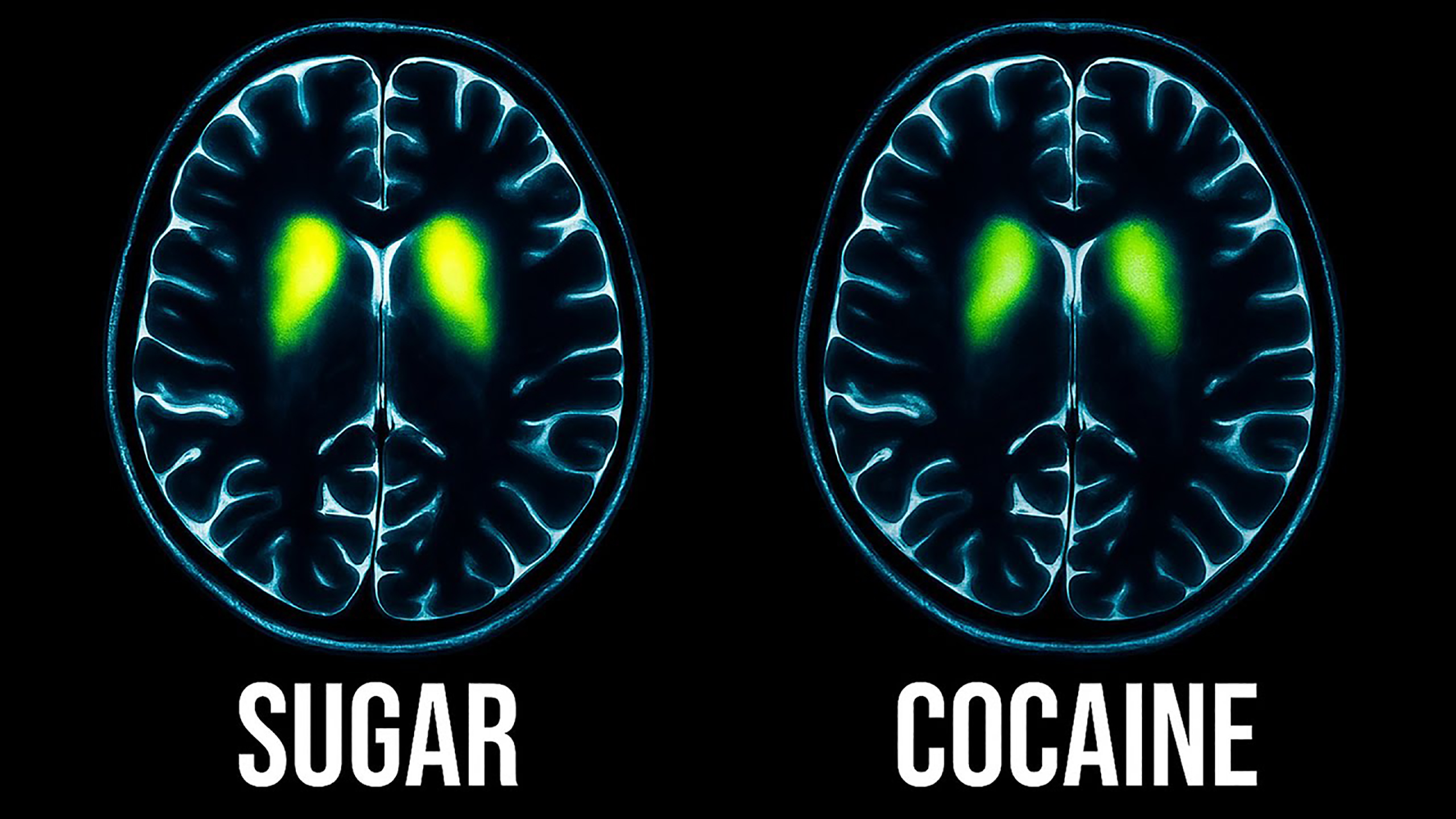
Last time, we talked about how your brain reacts to sugar — the spikes, the crashes, the cravings, the compulsive loop that keeps you reaching for “just one more.” But there’s a deeper layer to this story, and it’s one most people never hear:
Your brain can run on two fuels. Glucose or Ketones.
And the fuel you run on changes everything.
When You’re Constantly Feeding Your Brain Sugar
Most of us grow up running almost entirely on glucose. It’s the default fuel your body uses when you’re eating frequently, snacking often, or relying on processed carbs to get through the day.
But here’s the problem:
When glucose is always available, your brain gets stuck using it.
And that comes with consequences:
- Sugar overloads the brain. Too much glucose creates oxidative stress — basically, internal “wear and tear” on your brain cells.
- It triggers inflammation. Chronic inflammation affects everything from mood to memory to long‑term brain health.
- It disrupts memory and focus. High sugar intake is linked to slower processing, foggier thinking, and difficulty concentrating.
- It can shrink brain tissue over time. Research shows that chronically elevated blood sugar can reduce the volume of key brain regions.
- It increases the risk of cognitive decline. Not overnight — but slowly, quietly, over years of blood‑sugar swings.
- And yes… your brain becomes addicted to the spikes. When your brain is used to running on quick hits of glucose, it starts to crave sugar just to feel normal.
This is why so many people feel foggy, tired, irritable, or “off” when they try to cut back. It’s not weakness — it’s biology.
But here’s the good news: Your brain has another fuel source. And it’s a cleaner, steadier, more efficient one.
Enter Ketones: Your Brain’s Backup (and Often Better) Fuel
When you give your body space between meals — or when you eat in a way that stabilizes blood sugar — your body naturally shifts into using ketones for energy.
Ketones are produced when your body taps into stored fat for fuel. They’re not extreme. They’re not dangerous. They’re not only for people doing strict keto diets.
They’re simply your body’s built‑in alternative energy source.
And your brain loves them.
Ketones:
- Reduce inflammation
- Improve mental clarity
- Support memory
- Provide a steady, clean-burning energy source
- Help stabilize mood
- Reduce cravings by calming the glucose rollercoaster
This is why so many people say intermittent fasting helps them “think better,” “feel clearer,” or “finally get out of the fog.” It’s not magic — it’s metabolic flexibility.
How to Help Your Brain Shift Fuels
You don’t need extreme diets or complicated rules. You just need to give your body the chance to switch gears.
A few simple ways to support that shift:
- Stop grazing all day. Space between meals is where ketones are made.
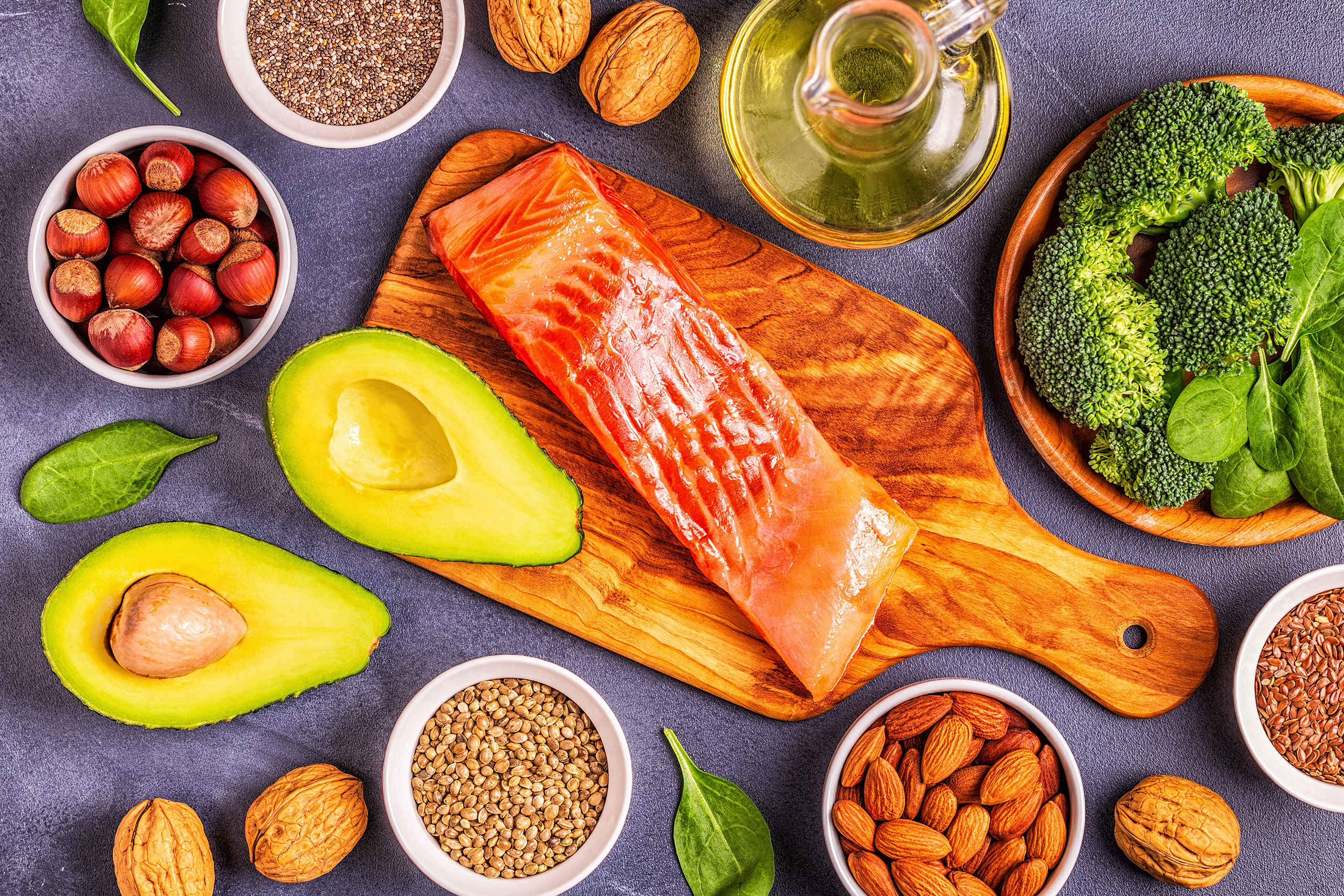
- Eat meals that stabilize blood sugar. Protein, fiber, healthy fats — fewer ultra‑processed carbs.
- Try intermittent fasting in a gentle, sustainable way. Even a 12–14 hour overnight fast can help your brain access ketones.
- Cut back on added sugars. Not perfectly — just intentionally.
- Choose whole foods more often. Your brain responds to stability, not spikes.
When you do this, your brain finally gets a break from the glucose rollercoaster — and you start to feel the difference.
If You Want a Sharper Brain, Start with Stabilizing Sugar
You don’t have to overhaul your life. You don’t have to be perfect. You don’t have to “go keto.”
You just need to give your brain the chance to use the fuel it was designed for — not just the one it’s been stuck on.
Small changes. Steady habits. A calmer, clearer mind.
And if you want support as you make these shifts, the Feel Great System fits beautifully into this approach. It helps stabilize blood sugar, reduce cravings, and make intermittent fasting easier — all of which support a healthier, sharper brain.
I’m always here if you want to learn how it can help you too.
See you Friday — let’s keep this rhythm going.



0 Comments